The Real Myth About Confidence in a 5.0, AI World
NEUROLETTER #32 – NOVEMBERISH 2025
High Performance absolutes - Because progress isn’t powered by technology - it’s powered by the minds shaping its future.
Yes, November has slipped into December - all of us are on that wave of “need to get it done before Christmas!”.
Thanks for joining me, and as always why not share this with someone whose brain could use a boost today.
In our continued quest to study and share current neuroscience research, today we’re looking at a simple truth applied neuroscience keeps reminding us – we have the capacity to keep reshaping our brains in these smorgasbord times because you can have the best AI system in the Universe but if you can’t lead people, you can’t lead into the future.
“Are we measuring gender confidence, or measuring gendered expectations?”
During my MSc in Applied Organisational Neuroscience as I pursued my purpose of sharing the new science of ‘Get to know your brain’, for many years I ran a unique neuroscience-based Confidence & Gravitas masterclass for future female leaders. I say women because on average for every 20 women there was only one man who would attend. The difference was the women came for the confidence aspect and the men the gravitas.
Back then Sheryl Sandberg of Meta fame was waxing lyrical about “Fake it ‘til you make it” a concept she developed about women either leaning in or leaning out. At the time it resonated so much with the women I was working with specifically “We cannot change what we are not aware of, and once we are aware, we cannot help but change”.
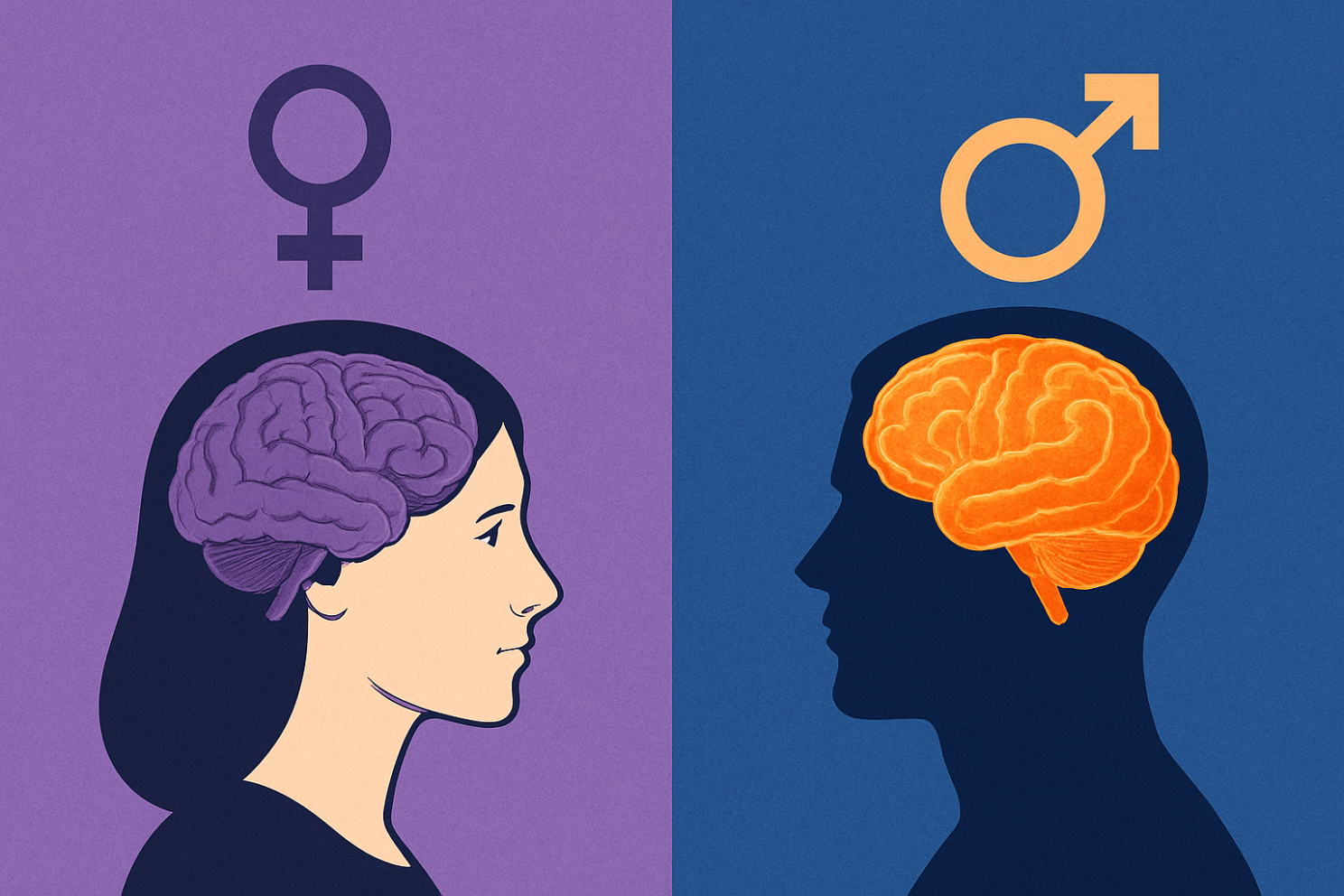
Working this week with both female and male C-suite executives it struck me how little had changed but how much has changed.
What has changed is today more people are aware that our brains continue to shape throughout our lifetime due to the brain’s neuroplasticity and therefore “Fake it til you make it” whilst sounding a bit passe is in fact spot on.
The sentiment of practicing a new behaviour creates or modifies a neuronal pathway eventually making that new behaviour or mindset automatic.
What has not changed as recent research shows, is that women still initially lack the confidence to go for what they want due to lack of self-belief.
However, we need to be careful how we keep these ‘myths’ alive with the same narrative. One could ask why studies are still measuring the same subjects when in fact our use of language and our skin in the game has changed. What would be more illuminating is asking male leaders if they feel out of their depth at times and if they challenge their professional abilities. For instance recent studies show that Imposter Syndrome is not exclusive to women.
Across my cohort of leaders all of them feel vulnerable at different points in their career, only women are asked about it and talk about it, whereas men seemed to be ignored or incorrect assumptions made so not giving them the secure environments to voice their worries, again down to surviving myths of how they should show up.
Which suggests that the real myth isn’t that women lack confidence. The real myth is that men don’t.
When we finally start asking men the same questions we ask women, they report the same vulnerabilities, the same fears of being out of their depth, and the same self-doubt. The difference? Women have been allowed to name it - men haven’t.
This is a warning sign for male health as male leaders are 40% less likely to admit self-doubt even when they feel it. Yet male leaders benefit more from psychologically safe cultures because they experience higher baseline emotional suppression due to masculine-norm pressure.
The idea that women universally lack confidence is simply not supported by modern evidence. Confidence is situational, learned, and heavily shaped by social norms.
Therefore, from an applied neuroscience perspective, self-belief is not a gender trait but a neuroplasticity one. Self-belief strengthens with practice, language, social permission, and psychological safety. And women, particularly as they age, show increasing strengths in emotional regulation, pattern recognition, and social cognition, the very foundations of Brain Capital which I have been sharing over the past few months.
If we want true equity, we need to stop recycling outdated confidence myths and start designing cultures where every brain male or female, has the safety to learn, question, regulate, recalibrate, and grow.
In essence the old gender-confidence narrative is outdated, oversimplified, and, frankly, unhelpful in a 5.0, AI world.
Brain Capital is gender neutral because the truth is still if you can’t lead people, you can’t lead into the future.
In a world where AI accelerates everything, leaders need something deeper than motivation: they need applied neuroscience that explains the mind behind their decisions, emotions, and performance.
Soraya Shaw brings that science to life - with clarity, warmth, intelligence, and a quietly provocative edge that makes audiences sit up, lean in and rethink what leadership really means.
“The art of brain influence”
“My brains been highjacked”.
“The female brain advantage”
“The truth of Imposter Syndrome from your brains perspective”
A keynote with Soraya is not a talk. It’s a shift in how people understand themselves and each other.
If you want to understand your brain - or the brains you lead why not explore:
‘Environments where emerging leaders can thrive?’
‘Avoid outdated management thinking by understanding brain capital and brain health?’
‘Neuro-inclusive lived experience where innovation, creativity, and critical thinking expand?’
‘Gain the advantage in understanding the new science of female brain health?’
‘How are your teams’ brains really working and impacting performance?’
Happy to deliver a talk, Brains@Work Diagnostic, or one of our neuro-workshops on the transformational power of these topics. Drop me and the BrainShaw® team a line at Soraya@soraya-shaw.com
Let’s shape future minds together.
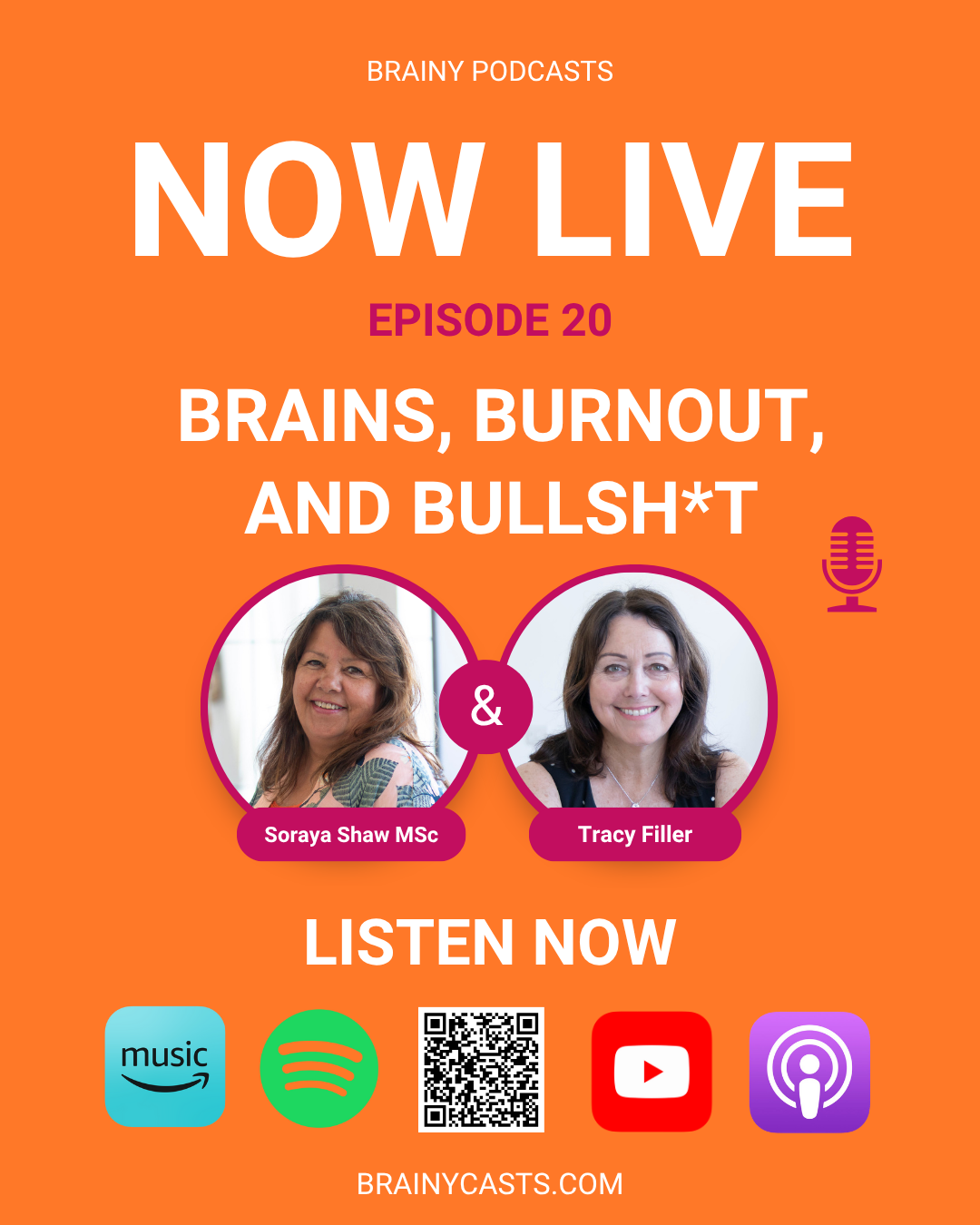
Brainy Podcast: Episode 20 – Brains, Burnout and Bullsh*t
What are you still pretending is working?
In our latest episode, we take a brutally honest look at modern work and leadership.
One not to be missed as you move into 2026 planning.
“The business of shaping future minds starts in your own.”
Soraya Shaw MSc Applied Organisational Neuroscientist | Brain Capital & Leadership Strategist BrainShaw®